
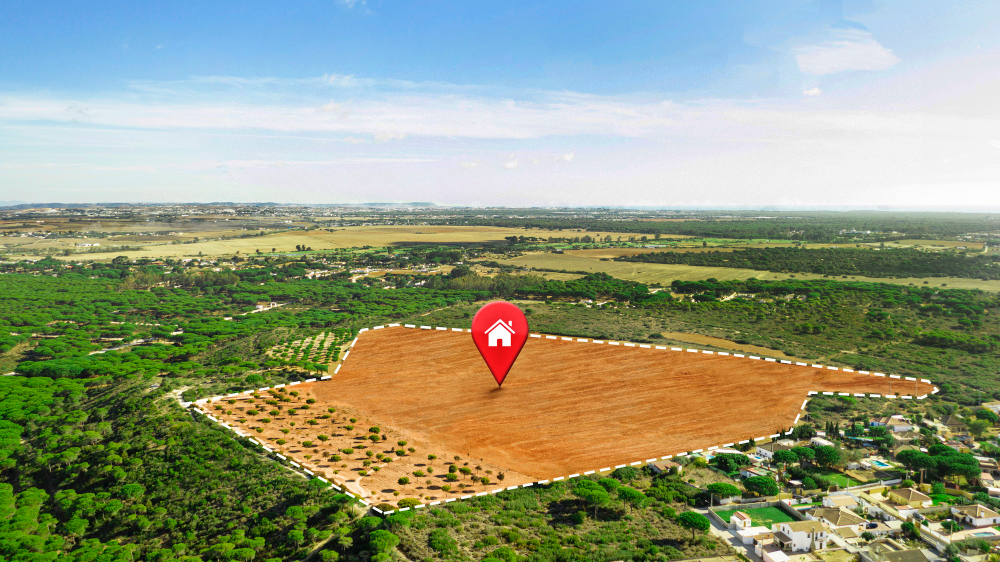
Whether a BOI company can own land in Thailand is an important question for foreign investors planning BOI-promoted business operations. Under Thai law, foreign-owned companies generally face restrictions on land ownership. However, a BOI-promoted company may obtain permission to own land in Thailand if the land supports an approved promoted activity and complies with BOI conditions.
Under Section 27 of the Investment Promotion Act B.E. 2520 (1977), a promoted person may be permitted to own land in order to carry on the promoted activity, to the extent the BOI considers appropriate. This is the core legal basis for land ownership by a BOI-promoted company in Thailand.
When can a BOI company own land in Thailand?
A BOI promoted company does not receive land ownership automatically merely because it has BOI status. The company must apply for the right to own land after the BOI promotion certificate has been issued. The BOI’s 2025 Investment Promotion Guide lists land rights as a post-approval step and states that promoted companies may submit the application after promotion certificate issuance.
A promoted company with 50% or more of its shares held by foreigners may apply for land ownership by filing the required application with the Office of the BOI. Once approved, the BOI issues an approval letter and notifies the Land Department or the provincial governor.
Thus, a BOI promoted company may own land only after promotion certificate issuance, only by application, and only where the BOI approves the ownership for the promoted activity.
What Can BOI-Owned Land Be Used For?
The land must be owned for carrying on the promoted activity. It is not a general right for a foreign-owned BOI company to buy land for any purpose it chooses. According to the BOI’s official procedure materials, land ownership applications may relate to the establishment of factory, office, or residence in the promoted project context.
In practical terms, this means BOI land ownership is most relevant where the land is needed for:
- factory or industrial operations
- warehouse or project-related logistics use
- office premises connected to the promoted business
- residential use within the scope allowed for the promoted project.
What conditions apply after the land’s approval?
BOI land ownership rights are not permanent in an unrestricted sense. The company must sell the land for which ownership has been authorized within one year from the date of the order for termination, revocation, or transfer under the Investment Promotion Act. This means that if a promoted person who is treated as a foreigner under the Land Code ceases the promoted activity or transfers that activity to another person, the promoted person must dispose of the land within the legal period.
In other words, the BOI land ownership is project-linked. If the promoted business stops, loses its promoted status, or transfers the promoted activity, the land position must be reviewed immediately. Therefore, land ownership under the BOI should always be assessed not only at acquisition stage, but also from a long-term compliance perspective.
Land Ownership vs Leasehold
A BOI-promoted company may, in the right case, obtain permission to own land under Section 27 for the promoted activity. Ownership means the company holds title to the land, but only within the approved BOI scope and subject to post-approval conditions.
A leasehold is different. Foreigners may lease land and may also own buildings constructed on leased land, because there is no general restriction on ownership of the building itself. In other words, a foreign investor may not own the land, but may still use it through a lease and own the structure built on that land.
This distinction matters in practice. Land ownership may suit projects that need long-term site control and qualify for BOI land rights. Leasehold may suit projects where ownership is unavailable, unnecessary, or less efficient, while still allowing operational control of the site and ownership of the building.
So, for many investors, the legal choice is not simply “buy land or do not invest.” It is often a choice between BOI-based ownership and lease-based site control, depending on the project structure and commercial objective.
Does BOI land ownership apply to every foreign-owned company?
BOI land rights are not a general privilege for every foreign-owned company in Thailand. The legal route depends on whether the company is a promoted person under the Investment Promotion Act, whether the land is needed for the promoted activity, and whether the BOI approves the ownership to the extent it considers appropriate. Outside that framework, the general rule remains that foreigners are generally not permitted to own land in Thailand unless another legal basis applies.
That is why BOI structuring matters. A company may be foreign-owned and registered in Thailand, but land ownership still requires a specific legal basis. BOI can provide that basis for the promoted project, but it does not create a blanket right for unrestricted land acquisition by any foreign-owned company.
Practical Takeaway for Investors
From a practical investment perspective, the key questions are:
- is the company BOI-promoted
- has the promotion certificate been issued
- is the land needed for the promoted activity
- is the intended use factory, office, residence, or another approved project purpose
- is ownership more suitable than leasehold
- what happens to the land if the promoted business later ends, is revoked, or is transferred.
These issues should ideally be reviewed before the acquisition decision is made. For foreign investors, the land question is not merely a property issue. It is often a core investment structuring and compliance issue.
How Skyinterlegal Can Help with BOI Company Own Land Thailand Issues
At Skyinterlegal, we assist investors with:
- whether a BOI-promoted company may apply for land ownership
- whether the intended land use fits within the promoted activity
- whether ownership or leasehold is more suitable
- post-approval compliance relating to BOI land rights
- coordination of BOI, land, corporate, and licensing structure in Thailand
We approach BOI land issues not only as a filing matter, but as a legal structuring issue affecting investment control, real estate use, and long-term compliance in Thailand.
Contact Us
If your project involves a factory, warehouse, office, or service facility, the land structure should be reviewed early, before the acquisition or lease decision is made.
Feel free to reach out to us for strategic advice on BOI land ownership, leasehold alternatives, project structuring, and post-approval compliance in Thailand.
For more inquiries, please feel free to contact us:
Sky International Legal Co., Ltd.
725 S Metro Building, 20th Floor, Room 174, Sukhumvit Road, Khlong Tan Nuea Subdistrict, Vadhana District, Bangkok 10110.
See map (click here)
Tel. 081-9151522, 090-0700080
Email: skyinterlegal@gmail.com