
How to Document a Counterfeit Sample Purchase in Thailand
A counterfeit sample purchase in Thailand can answer a question that an online listing cannot: what did the seller actually deliver? It may reveal the product, packaging, labels, payment details and delivery trail. But the value of a purchased sample depends on whether the business can connect that particular item to a particular transaction and explain what happened to it afterward.
The process should begin before checkout. A clear record follows the suspected product from the seller’s offer through the order, payment, delivery, examination and storage. This guide explains what to document at each stage, whether the purchase is made through a Thai marketplace, a social media seller or a physical shop.
Why does the purchase record matter?
A photograph of a suspicious item shows what the item looks like. On its own, it may not establish where it came from. A receipt may show a payment without identifying the exact goods received. A marketplace listing may disappear or change before anyone reviews it.
A documented purchase brings these pieces together. It should allow a reviewer to follow a practical sequence:
Seller and offer → order and payment → delivery or collection → sample examination → storage or handover.
This record can help a brand owner assess authenticity and decide what to do next. It does not, by itself, prove that the goods are counterfeit or guarantee a particular outcome in a marketplace complaint, police investigation or court proceeding.
Step 1: Set the purpose before buying
Identify the question the purchase is meant to answer. Is the brand trying to verify that a seller supplies the advertised goods? Does it need a physical sample for an authenticity assessment? Is the concern counterfeit production, or could the item be genuine stock sold through an unofficial channel?
Choose the exact listing, account or retail location to check. Record who will make the purchase and who will receive the goods. Where several sellers or product variations are involved, give each planned transaction its own reference number so that records and samples cannot be confused later.
For online cases, Online Counterfeit Monitoring in Thailand may help identify which listings and seller accounts warrant a purchase. A purchase is one part of the wider investigation, not a substitute for reviewing the seller’s activity.
Step 2: Preserve the offer before placing the order
For an online purchase, save the information visible at the time of ordering, including:
- the full listing URL or other available listing identifier;
- the marketplace or social media platform, shop name and seller profile;
- the product description, photographs, selected variation and displayed price;
- visible claims about authenticity, authorization, origin or warranty; and
- the date and time of capture.
Keep screenshots or exports that show enough context to identify the page. Save relevant seller messages in their original form where possible. If a claim is made in Thai, preserve the Thai wording rather than relying only on an English summary.
For a purchase at a physical shop, note the shop name and location, the date and time, the product displayed, its marked price and what the seller said in the ordinary course of the transaction. Record observations promptly and distinguish what was seen from what was inferred.
Step 3: Record the order and payment
Retain the order confirmation, order number, selected product variation, quantity, total price and payment record. Where the seller changes the transaction through a chat conversation, keep the messages explaining the change.
A payment recipient, shop profile and shipping sender may have different names. Record each as it appears rather than assuming they are the same person or company. If the payment method obscures the seller’s identity, say so in the case notes.
For an in-store purchase, keep the receipt or invoice if one is issued. If no receipt is provided, make a contemporaneous note of the amount paid, payment method, place and time. A receipt is helpful, but it is only one part of the purchase trail.
Step 4: Document delivery before opening the package
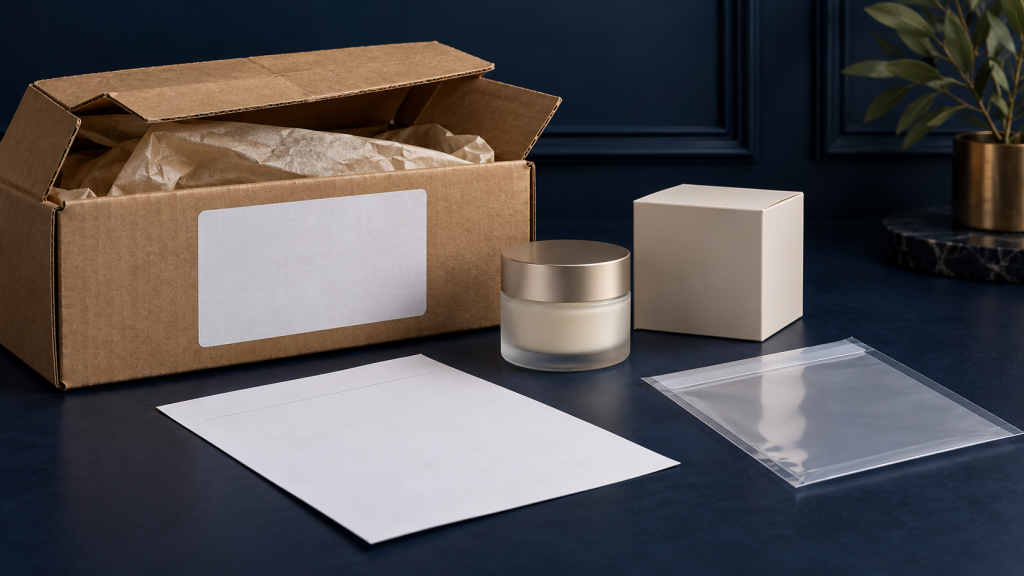
When a parcel arrives, note who received it, where and when. Photograph the unopened outer package from several sides so that the shipping label, tracking number, seals and any visible damage can be read. Keep the outer packaging and inserts; they may contain information that does not appear on the product.
Then document the opening in a clear sequence. Photographs may be sufficient for some purposes; video may be useful where the continuity of the opening matters. Show the condition of the package, the contents as first found, and any invoice, card or additional item included. Keep the original photo or video files rather than only edited extracts.
If the parcel was opened before this process began, record that fact accurately. Do not recreate an “unopened” scene. The same principle applies if a colleague or courier handled the parcel before the person preparing the report received it.
For a shop purchase, document the product and its packaging as acquired, then note any later opening or inspection in the same way.
Step 5: Examine the sample without jumping to a conclusion
Give the acquired item a unique sample reference. Photograph the product, packaging, labels, marks, serial or batch numbers and any features relevant to authenticity. Record observations in neutral language—for example, “the batch code was absent” or “the printed label differed from the reference sample.”
Ask the brand owner or another appropriately qualified reviewer to explain the significance of those differences. Low price, unusual packaging or a seller’s lack of authorization does not alone establish that an item is counterfeit. A product may instead be genuine stock from another market or an unofficial distribution channel.
Where that distinction is material, our Parallel Import Investigation in Thailand service addresses the source and distribution of potentially genuine goods. For products that may pose a safety concern, avoid using or testing the sample without an appropriate assessment.
Step 6: Keep a record of who holds the sample
After inspection, place the product, packaging and associated materials together in a suitably identified container. Record the sample reference, where it is stored, who can access it, and any later movement, opening or examination.
A simple handover record can state:
| Record | Information to note |
| Sample | Unique reference and brief description |
| Transfer | Date, time, person releasing and person receiving |
| Purpose | Examination, secure storage or delivery to counsel or the brand owner |
| Condition | Whether the package was sealed, opened or otherwise changed |
The aim is to explain the sample’s history. If it must be sent to another office or country, plan how the item and its records will travel together, and document the transfer. Do not claim that a seal or handover form automatically makes evidence admissible; it helps others assess what happened to the item.
Step 7: Assemble a file that another person can follow
Organize the material under one case reference. A useful purchase file generally contains the original listing or shop observations, seller communications, order and payment records, delivery information, product photographs, authenticity assessment, and sample custody notes.
Add a short chronology linking the identifiers across those records. For example, listing A → order 123 → tracking 456 → parcel received on the recorded date → sample S-01. Flag missing documents and inconsistencies instead of filling gaps with assumptions.
Keep original digital files and restrict unnecessary access. A working report may omit personal details that are irrelevant to its purpose, while the underlying records are retained securely for appropriate review.
Where a business needs assistance conducting and reporting a local purchase, our Mystery Shopping Investigation in Thailand service covers product purchase verification, seller interactions and market evidence.
Common mistakes that weaken a sample purchase record
- Saving only the product photo: the connection to the seller and transaction may be unclear.
- Capturing the listing only after delivery: the offer may have changed or disappeared.
- Mixing purchases from different sellers: a reviewer may be unable to identify which item came from which order.
- Discarding the shipping package or receipt: potentially useful transaction details are lost.
- Editing the only copy of a screenshot or video: the original context becomes harder to assess.
- Calling the item counterfeit before reviewing it: the conclusion may outrun the available facts.
- Leaving transfers undocumented: it becomes harder to explain who held or examined the sample.
The appropriate next step depends on the rights involved, the authenticity findings and the intended action. If enforcement is being considered, see our Anti-Counterfeiting and IP Enforcement Services in Thailand.
Need a documented sample purchase in Thailand?
Skyinterlegal assists brand owners and their advisers with local seller checks, product purchase verification, Thai-language interactions, sample documentation and assessment of the next investigative or enforcement step.
If you have identified a suspicious seller, send us the listing or shop details, the product at issue, the brand’s authenticity indicators and the decision the purchase needs to support. If a sample has already been bought, tell us who purchased and received it and what records remain.
Frequently Asked Questions
A listing is useful evidence of what was offered at a particular time. It does not necessarily show what was shipped or prove that the seller supplied a counterfeit item. An order, delivery record and examined sample can answer different questions.
No single recording method suits every matter. Clear photographs, original transaction records and accurate notes may be useful. A continuous opening video can provide additional context where the parcel’s condition and contents are likely to be disputed. The method should match the purpose of the investigation.
Keep the available order, payment and communications records. For a shop purchase, promptly record the place, time, item, price and payment method, and state that no receipt was issued. Do not create a document purporting to be the seller’s receipt.
The sample may need to be opened for inspection. First document its unopened condition and contents, then record who opened it, when and what changed. Retain packaging and components that may be relevant to the assessment.
No, a sample purchase may establish useful facts about one transaction, but it should not be used to infer the size of the seller’s stock, the source of manufacture, or a broader network without additional evidence.
No, unauthorized sales and counterfeit goods raise different factual and legal questions. The item should be examined before it is described as counterfeit.
Electronic form of order record may be deemed an evidence under Thailand’s Electronic Transactions Act. However, its reliability and weight still depend on matters such as how it was created and preserved, its completeness, and the surrounding circumstances. The evidence needed for a particular proceeding should be assessed in that context.
For more inquiries, please feel free to contact us:
Sky International Legal Co., Ltd.
725 S Metro Building, 20th Floor, Room 174, Sukhumvit Road, Khlong Tan Nuea Subdistrict, Vadhana District, Bangkok 10110.
See map (click here)
Tel. 081-9151522, 090-0700080
Email: skyinterlegal@gmail.com