
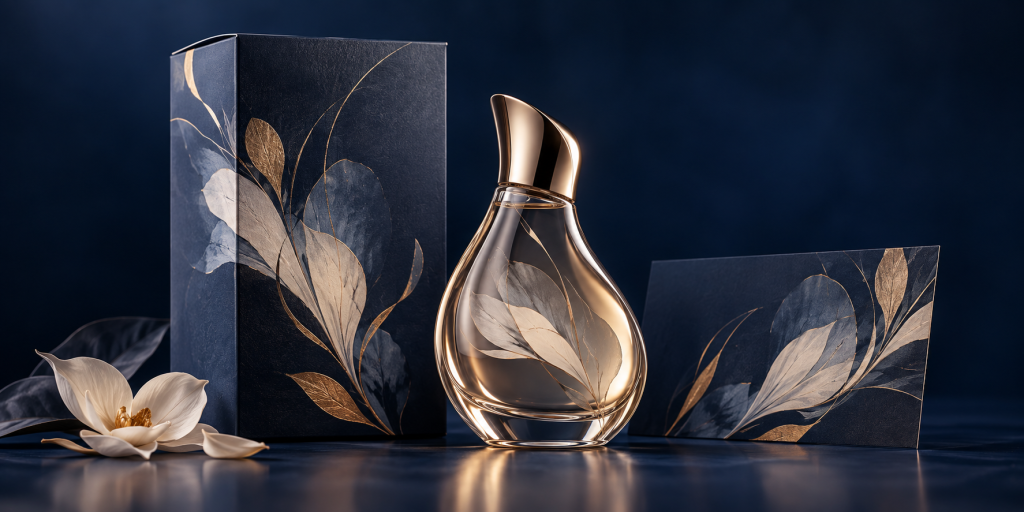
Design Patent, Trademark or Copyright for Product Packaging in Thailand?
Product packaging in Thailand can contain several different intellectual property rights. A distinctive bottle shape, a brand name and an original illustration on its label do not necessarily receive the same kind of protection. The right starting point is to identify the feature you want to protect, then assess whether it qualifies under Thai law.
For many brands, the answer is a combination: a trademark for the brand identifier, a design patent for an eligible new product appearance, and copyright for qualifying artwork. Each right has different requirements and protects against different forms of copying.
Which part of the packaging do you want to protect?
| Packaging feature | Right to consider | Main question |
| Brand name or logo printed on a box or label | Trademark | Does it distinguish your goods from those of another business? |
| Distinctive bottle, container or other product appearance | Design patent; potentially a shape trademark in appropriate cases | Is the design new, and could the shape also function as a distinctive brand identifier? |
| Original illustration, photograph or graphic artwork on a label | Copyright | Is there protectable creative expression, and who owns the rights? |
| A closure or dispensing mechanism with a technical function | Separate invention or petty patent assessment | Is the innovation in how it works, rather than how it looks? |
These are starting points, not automatic classifications. A legal assessment should consider the exact design, prior disclosures, existing rights and the intended use of the packaging.
Design patents: protecting the appearance of packaging
A Thai design patent may be relevant where the appearance of a bottle, jar, box or other product is commercially important. It addresses an eligible new design for a product, rather than granting general ownership of a packaging idea.
The application must identify the product and show the design being claimed. Before filing, a business should review similar designs and its own disclosure history. Publicly showing a proposed design before filing can create a novelty problem.
For example, a newly developed cosmetic bottle with a distinctive visual form may warrant a design patent assessment. An ordinary bottle shape, or a feature dictated mainly by its technical operation, calls for a different analysis. If the value lies in a new dispensing mechanism, the business should also consider whether an invention or petty patent assessment is appropriate.
A Thai design patent lasts 10 years from the filing date, subject to the applicable legal requirements. Our Patent Services in Thailand page explains the broader patent categories and filing support.
Trademarks: protecting what customers recognize as your brand
A trademark addresses a different question: what tells customers that the product comes from your business? For packaging, this will often be the brand name or logo. A distinctive sign used on a label may also merit assessment as part of a trademark filing.
A packaging shape can sometimes be considered as a trademark, but being visually attractive is not enough. Thai trademark law imposes distinctiveness requirements and specific considerations for shapes. A common container or a shape chosen for its function may be difficult to register as a brand identifier.
That distinction matters when another seller adopts a similar package. A word or logo registration should not be assumed to cover every aspect of the container, label or overall presentation. The rights available will depend on what was registered and what the other seller has used.
Businesses preparing a launch should check the proposed name and logo, identify the goods for which protection is needed, and assess any unusual packaging shape separately. See our Trademark Registration in Thailand page for more on searches and applications.
Copyright: protecting original packaging artwork
Packaging frequently includes illustrations, photographs or other graphic work created by an employee, an agency or a freelance designer. Qualifying original artistic expression may receive copyright protection without a mandatory registration step.
Copyright protects the expression in the work, not the general idea of using a particular packaging style. It should not be treated as automatic ownership of a product name, an ordinary box shape or every element of a label.
Ownership deserves attention before launch. The legal position can differ between work created in the course of employment and work created under a commission, and the relevant agreements may affect the result. Keep the design brief, original files, dated drafts and signed contracts together so that the business can establish what was created and what rights it holds.
Our Copyright Protection in Thailand page provides further background on copyright and enforcement.
Can one package include all three forms of protection?
Yes, where the relevant features independently satisfy the requirements for each right. Consider a cosmetics product with:
- a brand name and logo that customers use to identify its source;
- a new bottle appearance developed for the product; and
- an original illustration commissioned for its label.
The business could assess trademark protection for the brand, a design patent for the bottle, and copyright ownership in the illustration. Filing one of these rights does not automatically secure the others.
This approach is especially useful when a competitor copies only part of the presentation. A seller might use a similar name, imitate the bottle while changing the logo, or reproduce the label artwork on a different container. Identifying the copied feature helps determine which evidence and which right matter most.
What should a business do before launching the packaging?
1. Separate the packaging into its protectable elements
List the brand name, logo, container shape, surface decoration, illustrations and any technical features. Mark which elements were developed specifically for this product.
2. Check earlier designs and marks
Review potentially conflicting names, logos and product appearances before committing to production. A distinctive appearance in a marketing presentation does not establish that it is legally new or available to use.
3. Confirm who owns the work
Identify who designed each element and review employment, agency, freelance and manufacturing agreements. Resolve missing documentation before a filing or dispute makes ownership urgent.
4. Assess filing before public disclosure
If a design patent may be important, review filing plans before displaying the final design at a trade fair, in an online catalogue or on a marketplace. Plan trademark applications around the signs and goods the business actually intends to use.
5. Preserve the launch record
Keep approved artwork, dated packaging files, product photographs, first-use materials and records of changes. If copying arises later, these materials help establish the history of the design and the brand’s use.
If similar goods are already being sold, the next step is to assess the specific rights and preserve evidence of the suspected copying. Our IP Enforcement and Anti-Counterfeiting Services in Thailand address that stage.
Contact Us
A useful packaging strategy starts while the design is still being finalized. Skyinterlegal can help assess the proposed brand identifiers, product appearance, artwork ownership and Thai filing options in the context of your launch plans.
Frequently Asked Questions
Not as a whole simply because it is packaging. Original artwork on the package may qualify for copyright protection, but the general concept, ordinary features and functional aspects require separate analysis.
A design patent may be available for an eligible new product design. The result depends on the particular appearance, earlier designs, disclosure history and application materials. An ordinary shape should not be assumed to qualify.
Certain packaging features, including a shape in appropriate circumstances, may be assessed as trademarks if they meet Thai registration requirements. A brand name or logo is often a more direct starting point. A shape application needs its own distinctiveness assessment.
No, different elements of the same package may call for different rights. The practical question is which feature carries the commercial value and which legal requirements it meets.
Payment alone is not a reliable substitute for reviewing the legal relationship and the agreement. Ownership rules for employment and commissioned work differ under Thai law, and the parties’ terms matter. Check the contract and retain the original files and project records.
An overseas filing or registration should not be assumed to provide the same design patent or trademark rights in Thailand. Review the Thai filing position, relevant dates and any available filing route before launching locally.
Start by identifying precisely what was copied: the product shape, original artwork, a registered mark or another feature. The available claim and evidence will depend on the rights held and the facts of the competing product. Preserve clear images, listings, purchase records and dates before seeking a remedy.
For more inquiries, please feel free to contact us:
Sky International Legal Co., Ltd.
725 S Metro Building, 20th Floor, Room 174, Sukhumvit Road, Khlong Tan Nuea Subdistrict, Vadhana District, Bangkok 10110.
See map (click here)
Tel. 081-9151522, 090-0700080
Email: skyinterlegal@gmail.com